
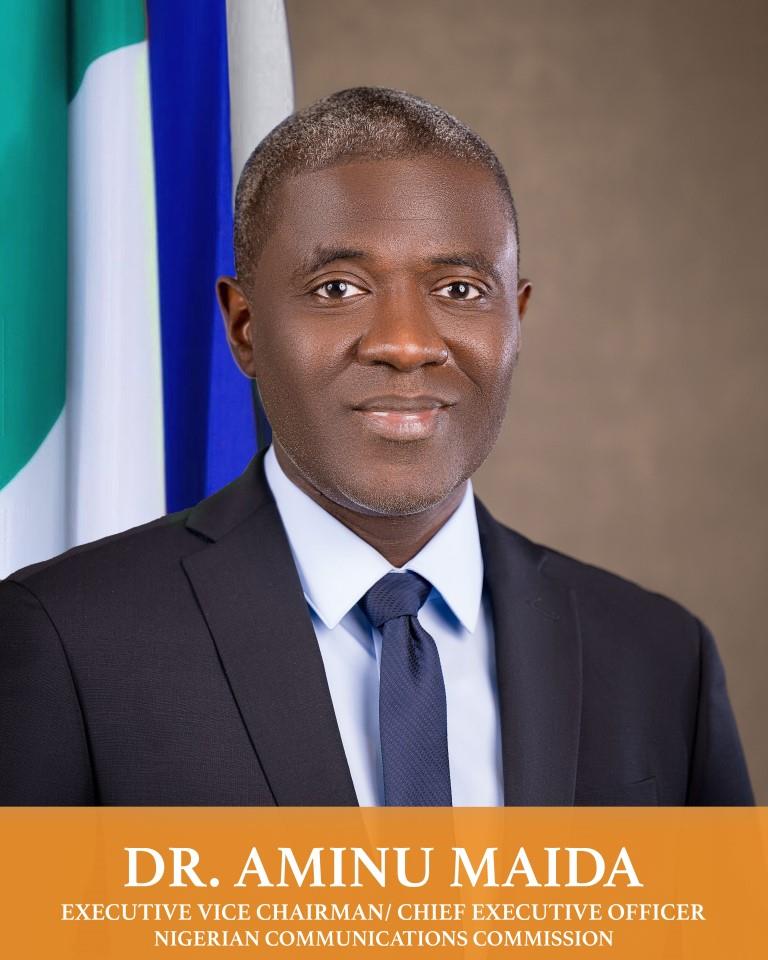
By the Act establishing the Nigerian Communications Commission (NCC), its operations and regulatory activities are covered by law including but not limited to regulating tariffs in the industry from time to time.
Only recently, the main Network Operators (MNOs) have raised concerns on the excruciating costs of operations which some times last year pushed some into below profit line.
However, in response to the demands of the MNOs, the Minister of Communications and Digital Economy, Dr. Bosun Tijani gave an insight, saying the range of tariff increment may be between 30 to 60 per cent.
In its wisdom, the NCC chooses to cap it at 50% which the MNOs and their umbrella bodies welcomed.
But in a swift reaction a team of interest bodies including the NLC, TUC and other NGOs kicked against, saying it was too high.
Reacting to the new tariff regime in the country’s telecoms ecosystem, Comrade Joe Ajaero, President of NLC, a statement Wednesday, January 22, condemned the tariff hike, describing it as an unjust burden on Nigerian consumers still grappling with economic challenges.
Ajaero also expressed concern over the timing of the hike, noting that it coincides with rising inflation and declining purchasing power.
The Labour unions emphasised that telecoms services now constitute a basic necessity to Nigerians.

The average Nigerian worker spends approximately 10 percent of his/her income on telecoms charges, Ajaero argued in the statement.

He further stated: “This decision, coming at a time when Nigerian workers and the masses are grappling with unprecedented economic hardship, is a clear assault on their welfare and an abandonment of the people to corporate fat cats.
“Telecommunications services are essential for daily communication, work, and access to information,” the union stated.
According to Ajaero, the average Nigerian worker already spends approximately 10 percent of his/her wages on telecom charges.
The Labour union leader noted: “For a worker earning the current Minimum Wage of N70,000, this means an increase from N7,000 to a staggering N10,500 per month or 15 percent of his salary — a cost that is unsustainable.”
In their argument condemning the hike, NATCOMS President, Chief Diolu Ogunbanjo said increasing the tariff is not a better option, rather MNOs should strive to recover their debts from banks and go to the stock market to raise funds.
Besides, HURIWA, CNG disagreed with telecoms tariff hikes, saying it was ill-timed and did not consider the plight of suffering Nigerians.
In all, the raising of telecoms tariff in Nigeria remains a project whose time has come and it will further give the MNOs the financial edge to invest and reach out the underserved with digital services at a time the economy is driving to digital inclusion.